Sand farm has been owned by Arne Christoffer Sand since 1995. Back then it was all apples and strawberries, but in 2000 the first sheep arrived. Today the farm also keeps laying hens, and traces of activity here have been found going all the way back to the Iron Age.
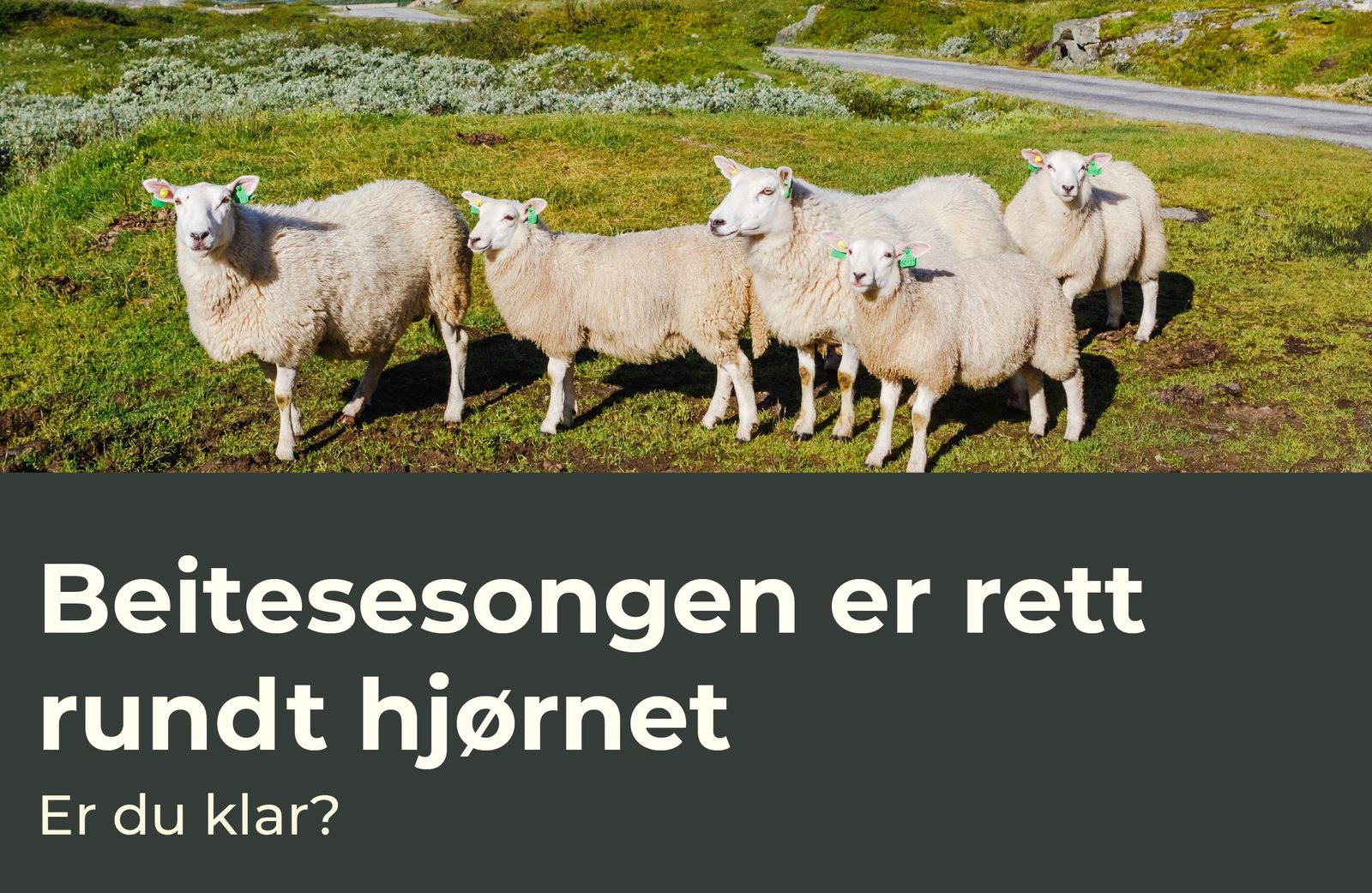
The sheep graze in two places. From mid-May they roam Finnemarka, the forest close to the farm. Around midsummer they move on to mountain pasture at Flyane in Hallingdal.
“I love animals, and I get to spend a lot of time outdoors. With my sheepdogs I get to combine my hobby with my job.”
Larger areas, fewer neighbours
Predators are not Arne’s biggest problem. The challenge is that fewer and fewer people keep sheep.
“There used to be more help when the animals wandered into the neighbouring area. Now each of us has a larger area. If the neighbour stops farming, the animals follow, and there is nothing pushing back.”
From borrowed bells to his own
Before Radiobjella, keeping track meant searching the area. Many of the animals in the mountains were found on the first round of gathering, so for a long time it did not seem worth the cost. Five to ten years ago Arne tried a few bells on loan from the grazing association in Hallingdal, but the quality varied and the effect was small.
Before the 2025 season he bought his own Radiobjella units, and the effect was bigger than he expected. Now ewes of every age group get a bell. That shows him which animals have a poor grazing pattern or drift into areas they should not be in, so he can cull them.
The biggest difference: seeing it early
Gathering does not necessarily take less time than before. The difference is that fewer animals end up with neighbours and others without Arne knowing about it.
“The biggest advantage now is that we can see early in the season if any animals wander off. Then we can bring them back into the grazing area and give them a chance. If they leave again, we can fetch them and take them home. A sheep can go a long way once it starts heading in the wrong direction.”
Heading for town
One of the episodes Arne remembers best was a sheep that left the grazing area and set course for town.
“She was moving down towards Drammen city centre. It was great to be able to drive straight to the right place and fetch her before she reached the streets.”
Radiobjella is also useful when some time has passed. If he cannot get out until a few hours after an alert, the animal may have moved a long way, and a fresh position gives the answer. Animals that have sadly died on pasture are found as well.
Why Radiobjella?
Arne chose Radiobjella because it is small and light for the animal, and because it was the one he had heard had the best coverage. Getting started was straightforward:
“Once you have done one, you just do the same on the rest. The little light that blinks when you put the battery in and screw the lid on is really handy. Then we know it works. We have had very little trouble with the bells.”
Peace of mind when you are not there
“It is good to know they are inside the area where they should be. If they are about to leave it, we can stop them before they have gone too far.”
Arne’s advice to others
Whether Radiobjella is worth the investment depends on how large the grazing area is, Arne says. If you are starting with sheep in an area the animals have not grazed before, it is a good tool for getting to know your flock and its grazing pattern.
Could he run a grazing season without Radiobjella today?
“No, not once you have started and seen all the benefits.”
Want to hear how Radiobjella could work for your flock? Get in touch with us.
Thanks to Arne Christoffer Sand for taking the time to talk to us.